

Nerdy notes...

AI, Asparagus, and Asking Better Questions: Reflections from EuroSense 2026
AI was everywhere at EuroSense 2026. So were some very human reminders of what makes sensory science valuable. From digital twins and an imaginary “asparagus method” to palate cleansers and hallway conversations, here’s what the conference made me think about where our field is headed.
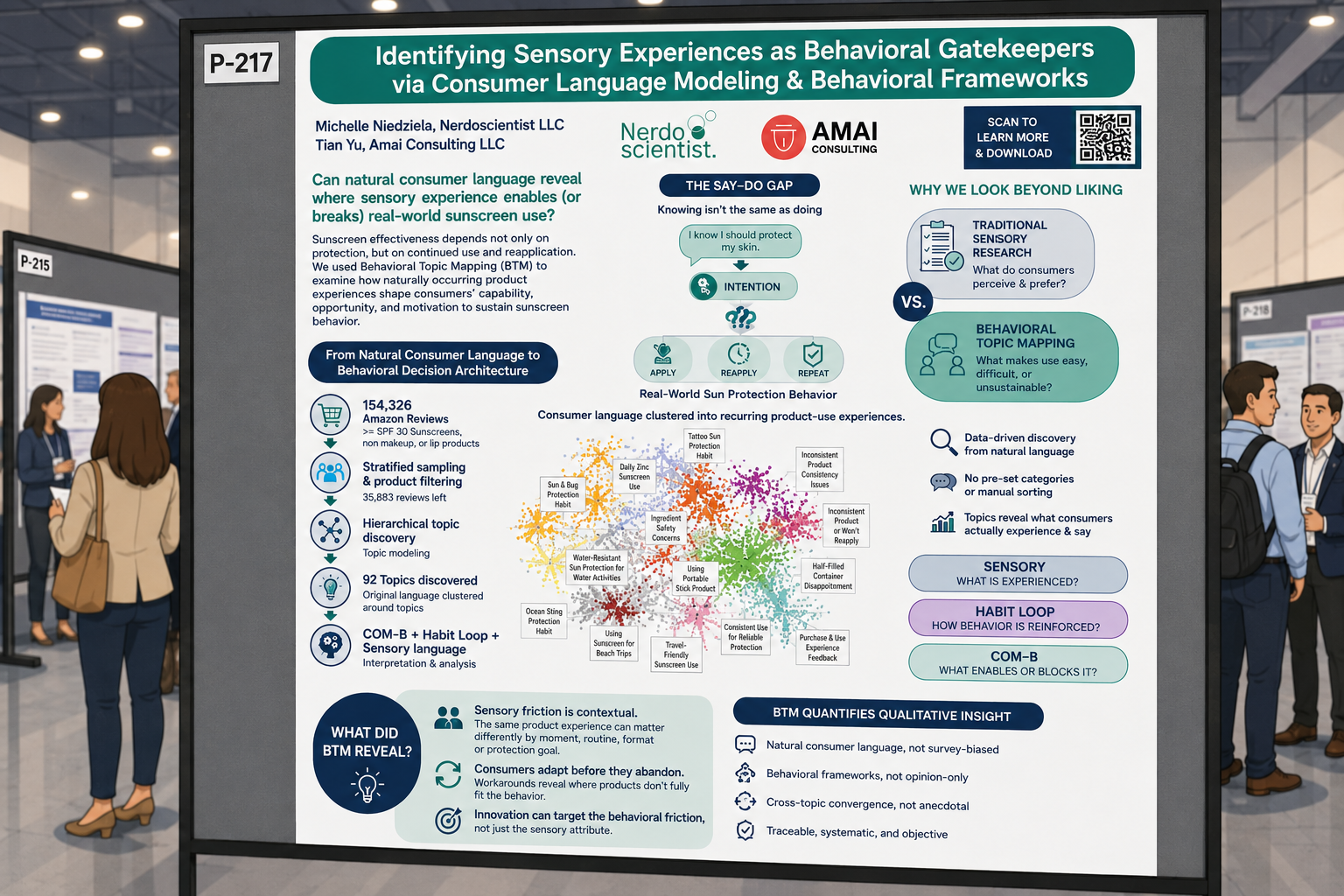
Beyond Liking: What Consumer Language Can Tell Us About Whether Sunscreen Actually Gets Used (Eurosense 2026 poster)
We know a lot about what consumers perceive and prefer—but less about what happens when products have to fit into real life. Our EuroSense 2026 poster uses sunscreen to explore how natural consumer language can reveal the sensory friction, workarounds, and moments that shape whether a product actually gets used.
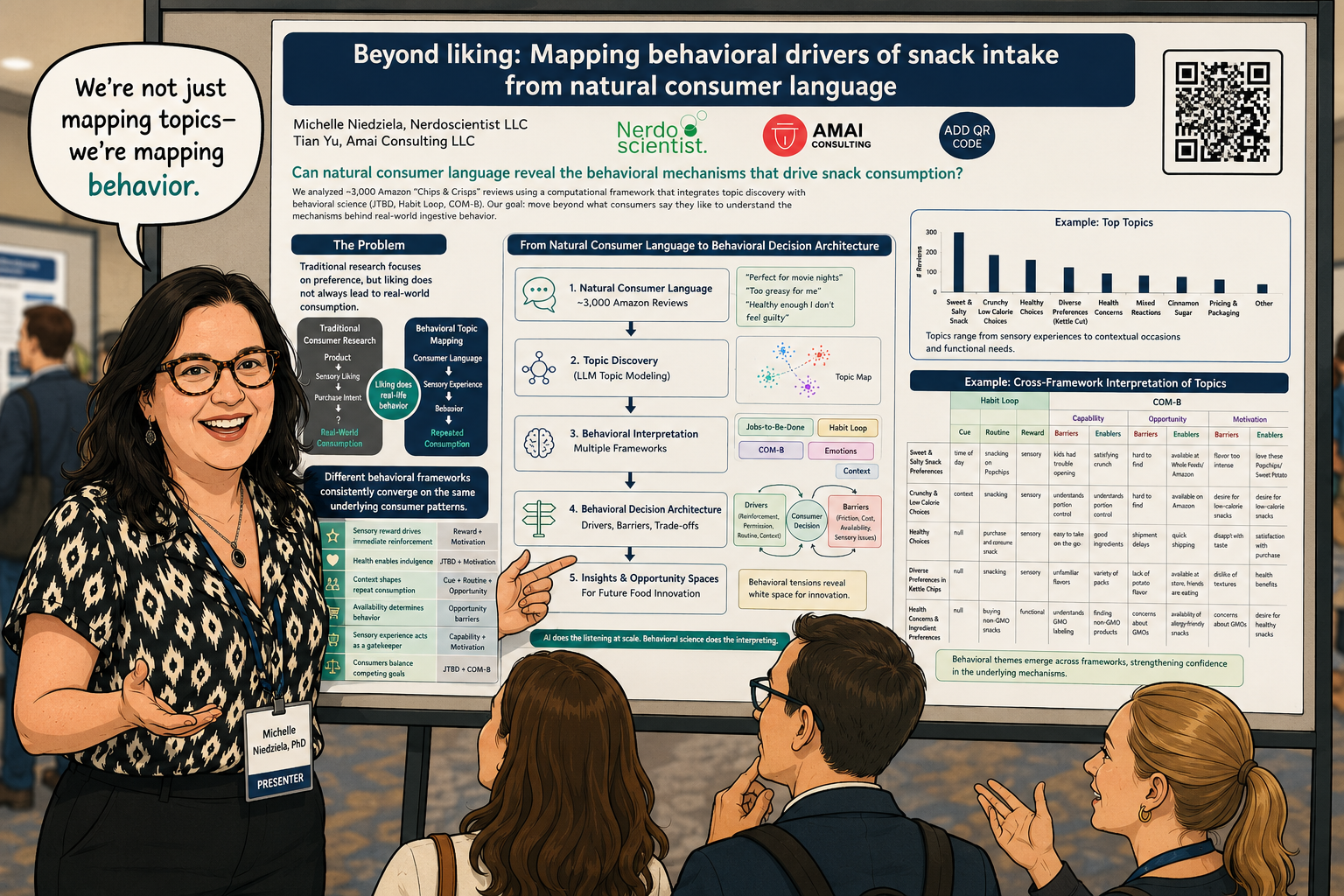
SSIB 2026: Beyond Liking: What Potato Chip Reviews Can Teach Us About Ingestive Behavior (conference poster)
Can thousands of everyday consumer reviews reveal the behavioral mechanisms behind real-world food choices?
Using Behavioral Topic Mapping, we analyzed Amazon chip reviews to move beyond preference and uncover how sensory experiences, habits, emotions, and context shape snack consumption.

Everything Has a Formula
Behavioral mechanisms are explanations.
Once you begin looking for those mechanisms, something interesting happens. You stop asking what consumers said and start asking what generated those experiences in the first place.
That's where innovation becomes much more interesting.
Because once you understand the mechanism, you aren't limited to solving today's problem. You can begin anticipating tomorrow's.
What Is Behavioral Topic Mapping?
Trend reports tell us what consumers are talking about today, but not necessarily where behavior is headed tomorrow. Learn how Behavioral Topic Mapping combines behavioral science and AI-assisted pattern recognition to uncover the motivations, tensions, and unmet needs that connect seemingly unrelated consumer trends.

Everyone Says They Do “Implicit.”
There are vendors who genuinely specialize in implicit, association-based research, but not all vendors who say they “do implicit” are doing the same thing, or even doing it themselves. In practice, many full-service research firms design the study and quietly outsource the implicit component to a specialized provider. That model can work very well, when everyone is transparent. The risk isn’t outsourcing. The risk is opacity.
A Nerdoscientist’s Year-End Guide to Conferences That Actually Matter
Now in thinking about the upcoming list of conferences I think that rather than asking “What’s the best conference?”, I think the better question is:
“What kind of thinking do I want to be exposed to right now?”
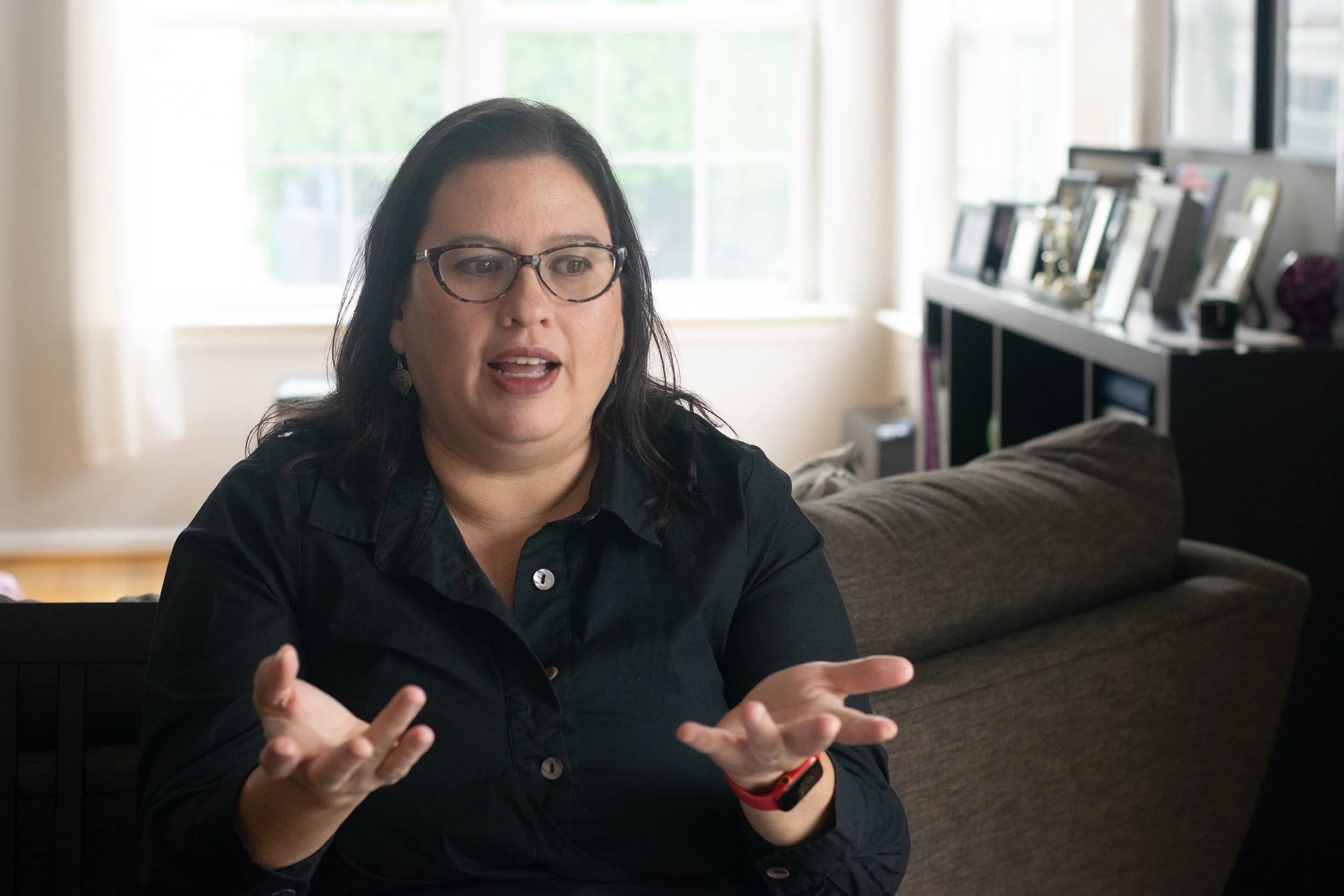
What It Means To Be a “Research Doula”
When I left corporate life and started Nerdoscientist just over a year and a half ago, I didn’t have a perfect business model, a 10-step plan, or a clever tagline. What I did have was 20 years of experience doing this strange but wonderful job at the intersection of neuroscience, psychology, sensory science, and consumer research, and a strong desire to keep doing the parts that actually mattered.