

Nerdy notes...
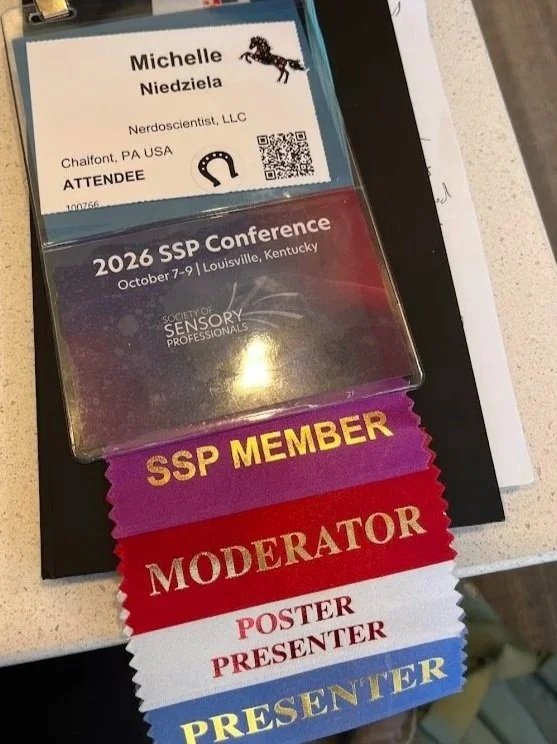
What I Took Home from SSP 2026
From combining research methods to expanding AI capabilities and building stronger connections, SSP 2026 left me with fresh ideas and questions about how sensory science can better support meaningful decisions.

AI Can Talk About Smell. But Can It Smell?
AI can describe what something smells like, but can it actually connect those descriptions to chemistry? Exploring how multimodal AI, chemical sensors, and human language could bridge the gap between physical measurements and sensory experience—and why sensory scientists are essential to making these models meaningful.
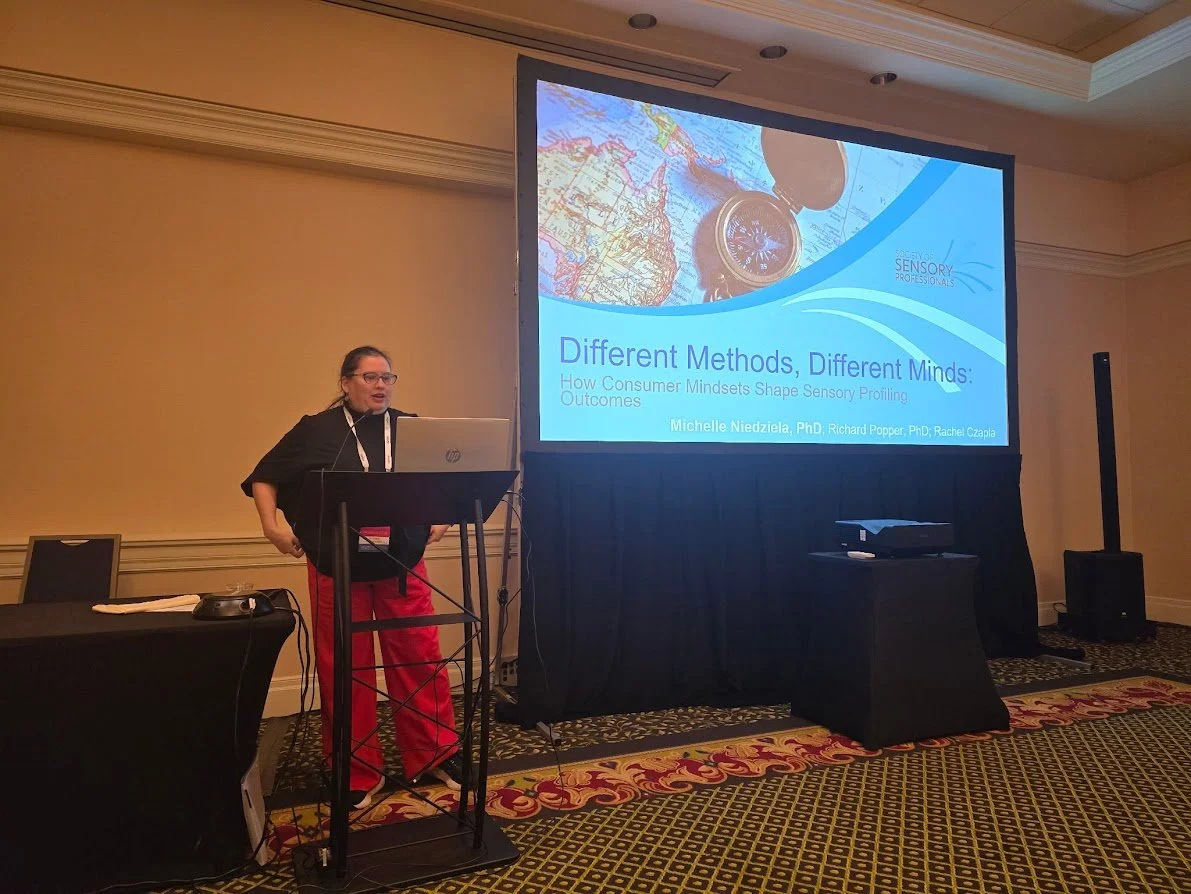
Different Methods, Different Minds: What Happens When Consumers Don’t Have Time to Think?
When implicit and explicit consumer measures disagree, does one reveal the ‘real’ consumer? New findings suggest a more interesting question: when, why, and for whom do the methods diverge?

AI, Asparagus, and Asking Better Questions: Reflections from EuroSense 2026
AI was everywhere at EuroSense 2026. So were some very human reminders of what makes sensory science valuable. From digital twins and an imaginary “asparagus method” to palate cleansers and hallway conversations, here’s what the conference made me think about where our field is headed.

Everyone Says They Do “Implicit.”
There are vendors who genuinely specialize in implicit, association-based research, but not all vendors who say they “do implicit” are doing the same thing, or even doing it themselves. In practice, many full-service research firms design the study and quietly outsource the implicit component to a specialized provider. That model can work very well, when everyone is transparent. The risk isn’t outsourcing. The risk is opacity.

A Nerdoscientist’s Year-End Guide to Conferences That Actually Matter
Now in thinking about the upcoming list of conferences I think that rather than asking “What’s the best conference?”, I think the better question is:
“What kind of thinking do I want to be exposed to right now?”

What It Means To Be a “Research Doula”
When I left corporate life and started Nerdoscientist just over a year and a half ago, I didn’t have a perfect business model, a 10-step plan, or a clever tagline. What I did have was 20 years of experience doing this strange but wonderful job at the intersection of neuroscience, psychology, sensory science, and consumer research, and a strong desire to keep doing the parts that actually mattered.

Memorability in Consumer Sensory Experiences
For brands, product developers, and researchers, this phenomenon of memorability isn’t just a literary curiosity. It’s a measurable, actionable property of consumer experience that can determine loyalty, preference, and habit. Why do some flavors or scents linger in memory while others disappear? And more importantly: how can we study and design for memorability?

Pangborn 2025: Sensory Science in Full Spectrum
I was super excited for this meeting since it’s sorta in my backyard (I live in the Philly suburbs). But also because I got to be part of the organizing committee.

Why We Always Have Room for Dessert: A Nerdoscientist’s Take on ISN
I walked into ISN nervous, unsure how I’d fit among such an extraordinary roster. I walked out feeling energized, inspired, and grateful to have contributed.
Two days of rich, cross-disciplinary science reminded me that understanding food, flavor, and behavior requires more than treating people like machines. We need to embrace the quirks, the biases, and yes, even the cookie stomachs, that make us human.